
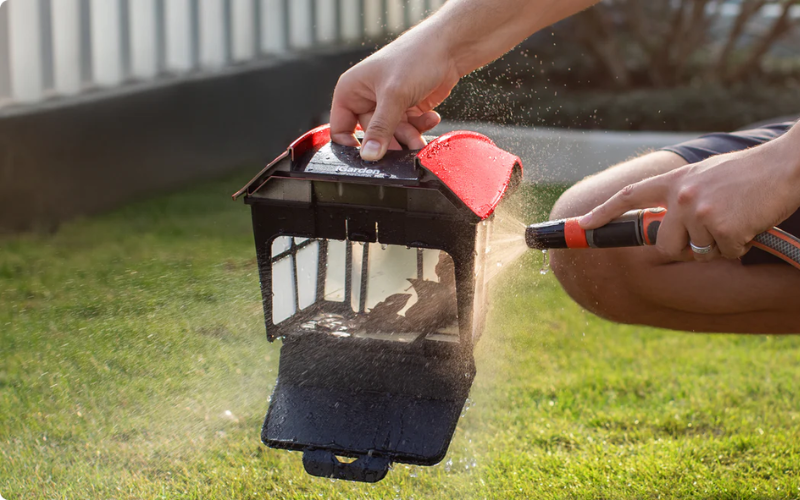
Many pool owners focus on the most obvious features when they compare robotic pool cleaners. They look at runtime, wall climbing, navigation, and cleaning coverage. Those features do matter. They shape how the cleaner performs in the water and how well it handles day-to-day debris. But there is one detail that often gets less attention than it deserves. That detail is filter access.
At first, filter access can seem like a small convenience issue. If the cleaner removes dirt well, many people assume the rest is secondary. That view often changes after a few weeks or months of regular use. A robotic pool cleaner is not just something that runs in the water. It is also something the owner has to empty, rinse, inspect, and put back into service again and again. That means the cleaning result is only part of the ownership experience. The other part is what happens after every cycle.
This is where easy filter access starts to matter much more than many people expect. Over time, it can affect how often the cleaner gets used, how well it keeps performing, and how simple the overall pool routine feels.
Filter Cleaning Is Not an Occasional Task
Some parts of pool care happen from time to time. Filter access is different because it connects to a repeated task. Every robotic pool cleaner collects debris somewhere, and that debris has to be removed. If the filter is hard to reach, awkward to open, or messy to clean, the owner feels that friction every single time.
Repetition Changes What Feels Important
A feature may seem minor during the first week of use. After two or three months, the same feature can feel much larger. The reason is simple. Repetition makes small inconveniences more noticeable.
A pool owner may only think about runtime when the cleaner is in the water. But they think about filter access every time they:
- remove the cleaner
- open the filter compartment
- empty leaves and dirt
- rinse the filter
- place it back correctly
If those steps feel easy, the routine stays manageable. If those steps feel annoying, the cleaner may get used less consistently.
Fine Debris Makes the Routine Even More Frequent
Large leaves are easy to notice, but fine debris often creates more filter work. Dust, pollen, sand, and small organic particles can build up quickly. During certain seasons, owners may need to rinse the filter after almost every cycle. In that context, easy access stops being a nice extra. It becomes part of everyday usability.
Convenience Affects Consistency More Than People Realize
A cleaner may perform well on paper, but real-life use depends on owner behavior too. One of the biggest advantages of robotic cleaning is consistency. Pools usually stay in better shape when cleaning happens regularly. But that only works if the cleaner is easy enough to use often.
A Difficult Filter Routine Can Reduce Usage
If opening and cleaning the filter feels awkward, some owners delay it. They may leave the unit sitting longer than they should. They may also avoid running the cleaner as often because they do not want to deal with the cleanup afterward.
That creates a slow decline in routine quality. The pool does not get dramatically worse all at once, but it becomes harder to keep under control. Debris sits longer. More dirt breaks down in the water. Cleaning sessions may need to become longer or more frequent later.
Easy Access Supports Better Habits
The opposite is also true. If the filter is quick to reach and simple to rinse, good habits become easier to maintain. The owner is more likely to:
- empty the filter right away
- rinse it thoroughly
- check it for buildup
- run the cleaner again when needed
That leads to better overall results even if the cleaner’s headline features are similar to those of other units.
Dirty Filters Affect Performance Faster Than Many Owners Think
Filter access is not only about convenience. It also affects performance because filters need regular cleaning to work well.
A Full or Dirty Filter Reduces Cleaning Efficiency
When a filter fills with debris, water flow drops. Once that happens, the cleaner may not collect dirt as effectively. It may still move around the pool, but pickup quality can become weaker. Fine debris may remain behind. Certain areas may look under-cleaned. The owner may assume the cleaner has a power or navigation problem when the real issue is simply that the filter needs attention.
Easy Access Makes Timely Cleaning More Likely
Owners are more likely to keep filters in better condition when reaching them is simple. That matters over time because repeated use with half-clean filters often leads to disappointing results. A cleaner does not need to be broken to underperform. Sometimes it only needs a properly cleaned filter.
Ownership Experience Becomes Clearer After the First Month
Many buying decisions are shaped by first impressions. Early on, almost any robotic cleaner feels exciting because it removes manual work and makes the pool look better. But the true ownership experience becomes clearer after regular use begins.
Long-Term Satisfaction Depends on Small Repeated Actions
Over time, owners start to notice what really shapes the routine:
- how easy the cleaner is to remove from the pool
- how easy the filter is to open
- how messy the debris removal feels
- how simple it is to rinse and reassemble
- how quickly the cleaner is ready again
These small actions may not sound dramatic, but they often define whether the product continues to feel practical after the novelty wears off.
Filter Design Can Change the Whole Feeling of Maintenance
A cleaner with straightforward filter access can make maintenance feel light and manageable. A cleaner with awkward access can make even a short cleanup feel like a chore. That difference grows more important with time, especially in busy households or debris-heavy yards.
Seasonal Conditions Make Filter Access Even More Important
Pool conditions are not the same all year. During pollen season, after storms, or near trees, filter cleaning becomes more frequent and more important.
Heavy Debris Periods Expose Weaknesses Fast
In calm conditions, almost any filter setup may feel acceptable. In heavy debris periods, owners get a more honest view of usability. If the cleaner is collecting lots of leaves, dust, pollen, or bark, the filter may need attention after every run. That is when poor access becomes far more noticeable.
Real-World Use Is Not Always Light Use
Many pools deal with:
- windy conditions
- nearby landscaping
- seasonal pollen
- family traffic
- frequent fine dirt
In those settings, the cleaner is part of a real maintenance workload. A model such as the iGarden pool vacuum robot may draw attention for cleaning ability, but long-term satisfaction often depends just as much on how easy it is to handle the filter once the cycle is over. That is the side of ownership many people understand only after weeks of actual use.
Easy Filter Access Helps Owners Notice Problems Earlier
A simple filter routine does more than save time. It also creates opportunities to inspect the cleaner more often.
Frequent Access Encourages Quick Checks
When owners remove and rinse the filter easily, they are more likely to notice:
- unusual debris loads
- early wear in the compartment
- trapped dirt in corners
- signs that the pool is getting dirtier faster than usual
Those small observations help owners adjust their cleaning routine before problems grow larger.
A Difficult Routine Hides Useful Information
If filter maintenance is unpleasant, owners may rush through it or avoid checking closely. That reduces awareness and makes the whole cleaning system feel less controlled.
Final Thoughts
Easy filter access matters because it sits at the center of real ownership. It affects how often the cleaner gets used, how well it performs over time, and how manageable pool care feels week after week. At first, it may seem less important than runtime or navigation. Later, many owners realize it shapes the routine just as much.
That is because robotic cleaning is not only about what happens during the cycle. It is also about what happens after it. A cleaner that is easy to empty and rinse is easier to live with. And a cleaner that is easier to live with is more likely to be used consistently, cleaned properly, and kept performing at its best.
In the long run, that practical advantage often matters more than many pool owners expect.

Leave a Reply