
As winter tightens its grip, headlines across UK Braced for Significant Snowstorm Bringing Potential White Christmas the country are buzzing with one compelling phrase: UK braced for significant snowstorm bringing potential white Christmas. For many, it sparks excitement—visions of snow-dusted rooftops, festive walks, and classic holiday scenes. For others, especially commuters and local authorities, it raises serious concerns about travel disruption, safety, and preparedness.
This article breaks down what a major snowstorm could mean for the UK, why meteorologists are paying close attention, how it may affect daily life and holiday plans, and most importantly, how individuals and communities can prepare. Written in a casual yet expert tone, this guide aims to give you a complete, clear, and realistic picture of the situation.
Why the UK Is Bracing for a Significant Snowstorm
The phrase UK braced for significant snowstorm bringing potential white Christmas isn’t used lightly. It reflects a combination of atmospheric patterns that, when aligned, create the perfect conditions for widespread snowfall. During late December, colder air masses from the Arctic or Scandinavia can collide with moist Atlantic systems, resulting in heavy snow rather than rain.
Meteorologists closely monitor pressure systems, jet stream shifts, and temperature gradients to assess snowfall risk. When cold air becomes firmly established at ground level, even small weather systems can produce substantial snow. This is particularly important in the UK, where marginal temperatures often decide whether precipitation falls as rain, sleet, or snow.
Another key reason for heightened alert is timing. Snowfall close to Christmas naturally gains more attention due to increased travel, shopping, and social gatherings. Even moderate snow can have amplified effects when roads, railways, and airports are operating at peak holiday capacity.
What Makes a White Christmas Possible This Year
A white Christmas in the UK is defined as snowfall observed somewhere in the country on December 25. While popular imagery suggests blanket snow nationwide, the reality is usually more localized. However, when experts say the UK is braced for a significant snowstorm bringing potential white Christmas, it suggests conditions could support snowfall across wider regions than usual.
Cold air persistence is a crucial factor. If freezing temperatures remain stable overnight and during the day, snow is more likely to settle rather than melt on contact. Ground temperatures also play a role, as frozen or near-frozen surfaces allow snow to accumulate faster.
Moisture availability is equally important. Snow requires enough moisture in the atmosphere, and Atlantic weather systems often provide that. When moisture meets entrenched cold air, snowfall can become heavier and more widespread, increasing the likelihood of festive scenes many hope for each year.
Regions Most Likely to Be Affected
Snowfall in the UK is rarely uniform. Even during significant events, some areas experience heavy snow while others see little more than frost. Historically, northern England, Scotland, and higher elevations are more prone to accumulating snow, but southern regions are not immune when conditions align.
Urban areas may initially struggle to retain snow due to warmer surfaces and human activity. However, sustained snowfall and sub-zero temperatures can quickly overcome this effect. Rural areas, especially those at higher elevations, often see deeper accumulations and more challenging conditions.
Coastal regions can experience mixed outcomes. Warmer sea temperatures sometimes reduce snowfall near the coast, but strong winds can also lead to drifting snow, creating hazardous conditions even when totals are lower.
Impact on Travel and Transport Networks
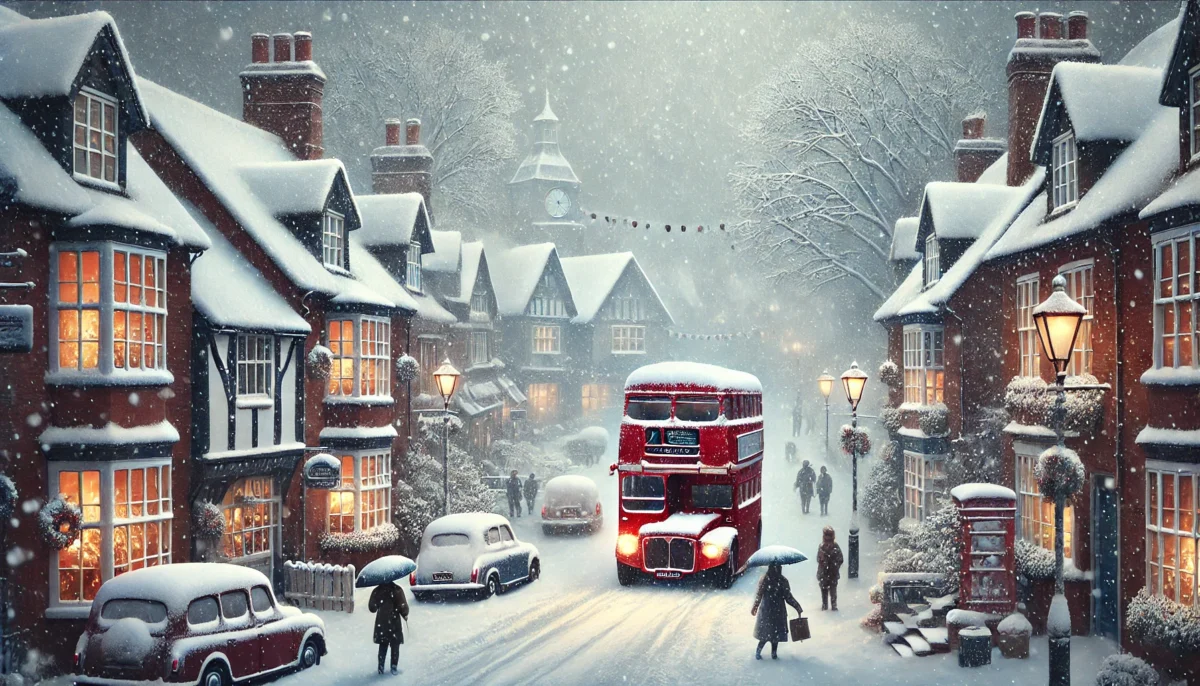
Whenever the UK Braced for Significant Snowstorm Bringing Potential White Christmas, transport becomes a major concern. Snow and ice can severely affect road safety, with reduced visibility and slippery surfaces increasing accident risks. Even well-treated roads can become hazardous during heavy or persistent snowfall.
Rail services are also vulnerable. Ice on overhead lines, snow-packed tracks, and frozen switches can cause delays or cancellations. During the festive season, this disruption can be particularly frustrating as families attempt to reunite or return home.
Air travel faces its own challenges. De-icing procedures, runway conditions, and staffing shortages can lead to significant delays. While airports plan extensively for winter weather, prolonged snowfall can still overwhelm even the most prepared systems.
How Snowstorms Affect Daily Life and Communities
Beyond travel, a major snowstorm influences daily routines in subtle but significant ways. Schools may close, businesses may reduce hours, and healthcare services often shift into emergency planning modes. For vulnerable individuals, such as the elderly or those with mobility issues, snow can lead to isolation and increased risk.
Power supply is another concern. Heavy snow combined with strong winds can damage power lines, leading to localized outages. Utility providers usually prepare in advance, but restoration can take time in remote or severely affected areas.
On a positive note, snow can foster a sense of community. Neighbors often help each other clear paths, check on vulnerable residents, and share resources. In this way, winter weather can bring people together, even as it challenges daily routines.
Preparing Your Home for a Significant Snowstorm
Preparation is key when the UK is braced for significant snowstorm bringing potential white Christmas. Simple steps can make a big difference in safety and comfort. Insulating pipes helps prevent freezing and bursting, while ensuring heating systems are serviced reduces the risk of breakdowns during cold spells.
Stocking up on essentials is another smart move. This doesn’t mean panic buying, but having enough food, medication, and household supplies to last a few days can reduce the need for unnecessary travel in hazardous conditions.
Outdoor preparation matters too. Clearing gutters, securing loose items, and having grit or salt available for paths can help minimize accidents. These small actions collectively make homes more resilient during winter weather.
Staying Safe During Snow and Ice
Personal safety should always come first during snowy conditions. Slips and falls are one of the most common winter-related injuries, often occurring on untreated pavements or driveways. Wearing appropriate footwear and walking cautiously can significantly reduce risk.
Drivers should only travel if necessary and ensure vehicles are winter-ready. This includes checking tires, antifreeze levels, and keeping emergency supplies such as blankets, torches, and food in the car. Even short journeys can become dangerous if conditions deteriorate quickly.
For those who enjoy winter walks or outdoor activities, awareness is crucial. Weather can change rapidly, and daylight hours are limited. Letting someone know your plans and carrying a charged phone can make a critical difference in emergencies.
The Emotional Side of a White Christmas
While snowstorms bring practical challenges, they also carry emotional weight. The idea of a white Christmas is deeply rooted in cultural traditions, from holiday cards to classic films. For many, snowfall adds a layer of magic and nostalgia to the season.
At the same time, not everyone experiences snow positively. Those dealing with travel stress, financial pressure, or loneliness may find severe weather adds to existing challenges. Recognizing these mixed emotions helps create a more balanced perspective on winter weather.
Understanding that both joy and inconvenience can coexist allows people to appreciate the beauty of snow while respecting its risks. This balanced mindset is essential during any significant weather event.
How Authorities and Services Prepare
Local councils, emergency services, and utility providers play a crucial role when the UK is braced for significant snowstorm bringing potential white Christmas. Gritting schedules are expanded, emergency response teams are placed on standby, and communication channels are strengthened.
Hospitals and care facilities often implement winter protocols, ensuring staffing levels are adequate and supplies are secure. These behind-the-scenes efforts are critical to maintaining public safety during adverse conditions.
Public communication is also a priority. Clear messaging about travel advisories, school closures, and safety guidance helps people make informed decisions and reduces unnecessary risk-taking.
Final Thoughts: Balancing Excitement and Caution
The idea that the UK is braced for significant snowstorm bringing potential white Christmas captures both excitement and responsibility. Snow can transform landscapes and elevate the festive atmosphere, but it also demands preparation, patience, and awareness.
By understanding the conditions that lead to snowstorms, recognizing their impacts, and taking sensible precautions, individuals can enjoy the beauty of winter while minimizing its risks. Whether snow falls lightly or heavily, being informed ensures that the season remains safe, memorable, and as stress-free as possible.

Leave a Reply